
How Sensory Tools Enhance Learning Experiences
- Created to Play Sensory Co.

- Jan 12
- 5 min read
Updated: Jan 25
In today's diverse educational landscape, the need for effective learning strategies is more crucial than ever. Traditional teaching methods often overlook the unique sensory needs of students, leading to disengagement and frustration. Sensory tools have emerged as a powerful solution to enhance learning experiences, making education more inclusive and effective. This blog post explores how sensory tools can transform the learning environment, improve focus, and foster a deeper understanding of concepts.

Understanding Sensory Tools
Sensory tools are items designed to stimulate the senses and help individuals manage sensory input. They can include a wide range of materials, from fidget toys and stress balls to textured mats and noise-canceling headphones. These tools are particularly beneficial for students with sensory processing challenges, such as those on the autism spectrum or with ADHD.
Types of Sensory Tools
Fidget Tools: Items like fidget spinners, cubes, and stress balls allow students to engage their hands while focusing on tasks. These tools can help reduce anxiety and improve concentration.
Weighted Products: Weighted blankets, vests, and lap pads provide calming pressure that can help students feel more secure and focused.
Textured Items: Textured mats, squishy toys, and sensory bins filled with various materials can stimulate tactile senses and provide a break from traditional learning methods.
Visual Aids: Colorful charts, diagrams, and interactive displays can enhance visual learning and make abstract concepts more concrete.
Auditory Tools: Noise-canceling headphones and calming music can help students who are easily distracted by background noise.
The Benefits of Using Sensory Tools in Education
Incorporating sensory tools into the classroom can lead to numerous benefits for both students and teachers. Here are some key advantages:
Improved Focus and Attention
Many students struggle to maintain focus during lessons. Sensory tools can provide the necessary stimulation to keep their minds engaged. For instance, a student using a fidget spinner may find it easier to concentrate on a math problem, as the tool helps channel excess energy.
Enhanced Learning Retention
When students engage multiple senses during learning, they are more likely to retain information. For example, using textured materials to teach about different surfaces in science can create a memorable experience that reinforces learning.
Increased Engagement
Sensory tools can make learning more interactive and enjoyable. By incorporating hands-on activities, students are more likely to participate actively in lessons. This engagement can lead to a more positive attitude toward learning.
Support for Diverse Learning Styles
Every student learns differently. Sensory tools cater to various learning styles, allowing educators to reach a broader range of students. Visual learners may benefit from colorful charts, while kinesthetic learners may thrive with hands-on activities.
Reduction of Anxiety and Stress
Many students experience anxiety in the classroom, which can hinder their ability to learn. Sensory tools can provide comfort and security, helping students manage their emotions and focus on their studies.
Practical Examples of Sensory Tools in Action
To illustrate the effectiveness of sensory tools, let's explore some practical examples of how they can be integrated into the classroom.
Case Study: Fidget Tools in a Middle School Classroom
In a middle school classroom, a teacher noticed that several students were frequently distracted during lessons. To address this, she introduced a variety of fidget tools, including stress balls and fidget spinners.
After a few weeks, the teacher observed a significant improvement in focus and participation. Students who previously struggled to stay engaged were now actively contributing to discussions. The fidget tools provided an outlet for their restlessness, allowing them to concentrate better on their work.
Case Study: Weighted Products for Students with Anxiety
In another instance, a teacher implemented weighted lap pads for students who exhibited signs of anxiety during tests. The added weight helped these students feel more grounded and secure, leading to improved performance and reduced stress levels.
Case Study: Sensory Bins in Early Childhood Education
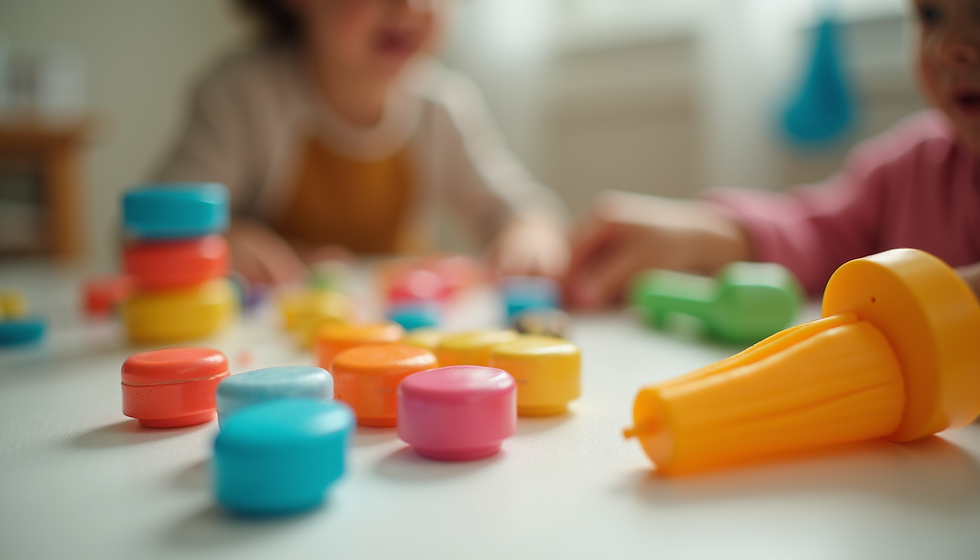
In an early childhood classroom, sensory bins filled with rice, beans, and various toys were introduced as part of the learning activities. These bins not only provided a fun and engaging way for children to explore textures but also supported fine motor skills development. Teachers reported that children were more focused and cooperative during lessons that included sensory play.
Implementing Sensory Tools in the Classroom
Integrating sensory tools into the classroom requires thoughtful planning and consideration. Here are some steps educators can take to effectively implement these tools:
Assess Student Needs
Before introducing sensory tools, it's essential to assess the specific needs of students. Consider conducting surveys or discussions to understand which tools may be most beneficial for your class.
Create a Sensory-Friendly Environment
Designate a specific area in the classroom for sensory tools. This space should be easily accessible and inviting, encouraging students to use the tools when needed.
Educate Students on Tool Usage
Teach students how to use sensory tools appropriately. Provide guidelines on when and how to use them during lessons, ensuring that they enhance learning rather than distract from it.
Monitor and Adjust
Regularly monitor the effectiveness of sensory tools in your classroom. Gather feedback from students and make adjustments as needed to ensure that the tools are meeting their intended purpose.
Challenges and Considerations
While sensory tools offer numerous benefits, there are also challenges to consider. Here are some potential obstacles and how to address them:
Overstimulation
Some students may become overstimulated by sensory tools, leading to distractions rather than focus. It's important to monitor usage and provide guidance on when to use specific tools.
Cost and Accessibility
Not all schools have the budget to purchase sensory tools. Educators can seek donations, grants, or community support to acquire necessary items. Additionally, many sensory tools can be made from inexpensive materials, allowing for creative DIY solutions.
Training for Educators
Teachers may need training on how to effectively implement sensory tools in their classrooms. Professional development opportunities focused on sensory integration can equip educators with the knowledge and skills needed to support their students.
Conclusion
Sensory tools have the potential to revolutionize the learning experience for students of all backgrounds and abilities. By incorporating these tools into the classroom, educators can create a more inclusive and engaging environment that fosters focus, retention, and overall well-being. As we continue to explore innovative teaching methods, sensory tools stand out as a practical solution to meet the diverse needs of today's learners.
By embracing sensory tools, we can enhance learning experiences and empower students to reach their full potential. Consider how you can integrate sensory tools into your educational practices and witness the positive impact they can have on your students' learning journeys.

Comments