
The Importance of Sensory Play for Children Aged 1 to 3
- Created to Play Sensory Co.

- Jun 5
- 4 min read
Sensory play is a powerful tool in early childhood development. For children aged 1 to 3, engaging with the world through their senses is essential for building the foundation of learning, communication, and physical skills. This period is a critical window when young minds and bodies absorb information rapidly, and sensory experiences help shape their understanding of the environment around them.
What Is Sensory Play?
Sensory play involves activities that stimulate a child’s senses: touch, sight, hearing, smell, and taste. It also includes movement and balance, which are part of the vestibular and proprioceptive senses. For toddlers, sensory play might look like:
Feeling different textures such as sand, water, or fabric
Listening to various sounds like music, nature, or household items
Exploring colors and shapes through toys or natural objects
Tasting new foods or safe edible items during play
Moving their bodies through climbing, swinging, or crawling
These experiences help children make sense of the world and develop important brain connections.
How Sensory Play Supports Development
Sensory play actively supports several key areas of development:
Cognitive Growth
When toddlers explore textures, sounds, and sights, they learn cause and effect, problem-solving, and decision-making. For example, pouring water from one container to another teaches concepts of volume and gravity. Sensory play encourages curiosity and experimentation, which are the building blocks of thinking skills.
Language Skills
Sensory activities provide rich opportunities for toddlers to learn new words. Describing what they feel, see, or hear helps build vocabulary. Caregivers can enhance this by naming objects and sensations during play, such as “soft,” “rough,” “loud,” or “cold.” This interaction supports communication and early language development.
Motor Skills
Handling different materials strengthens fine motor skills like grasping, pinching, and hand-eye coordination. Activities like molding clay or picking up small objects improve dexterity. Gross motor skills also benefit when children move through sensory environments, such as crawling through tunnels or balancing on soft surfaces.
Emotional Regulation
Sensory play can calm or energize toddlers, helping them manage emotions. Soft textures or gentle water play may soothe a child feeling overwhelmed, while active movement can release excess energy. This helps toddlers develop self-regulation skills, which are crucial for social interactions and learning.
Social Interaction
Playing with others during sensory activities encourages sharing, taking turns, and cooperation. Group sensory play fosters social skills and empathy as children learn to communicate and work together.
Examples of Sensory Play Activities for Toddlers
Here are some practical sensory play ideas that are easy to set up and safe for children aged 1 to 3:
Water Play: Fill a shallow basin with water and add cups, spoons, and floating toys. Let toddlers splash, pour, and explore.
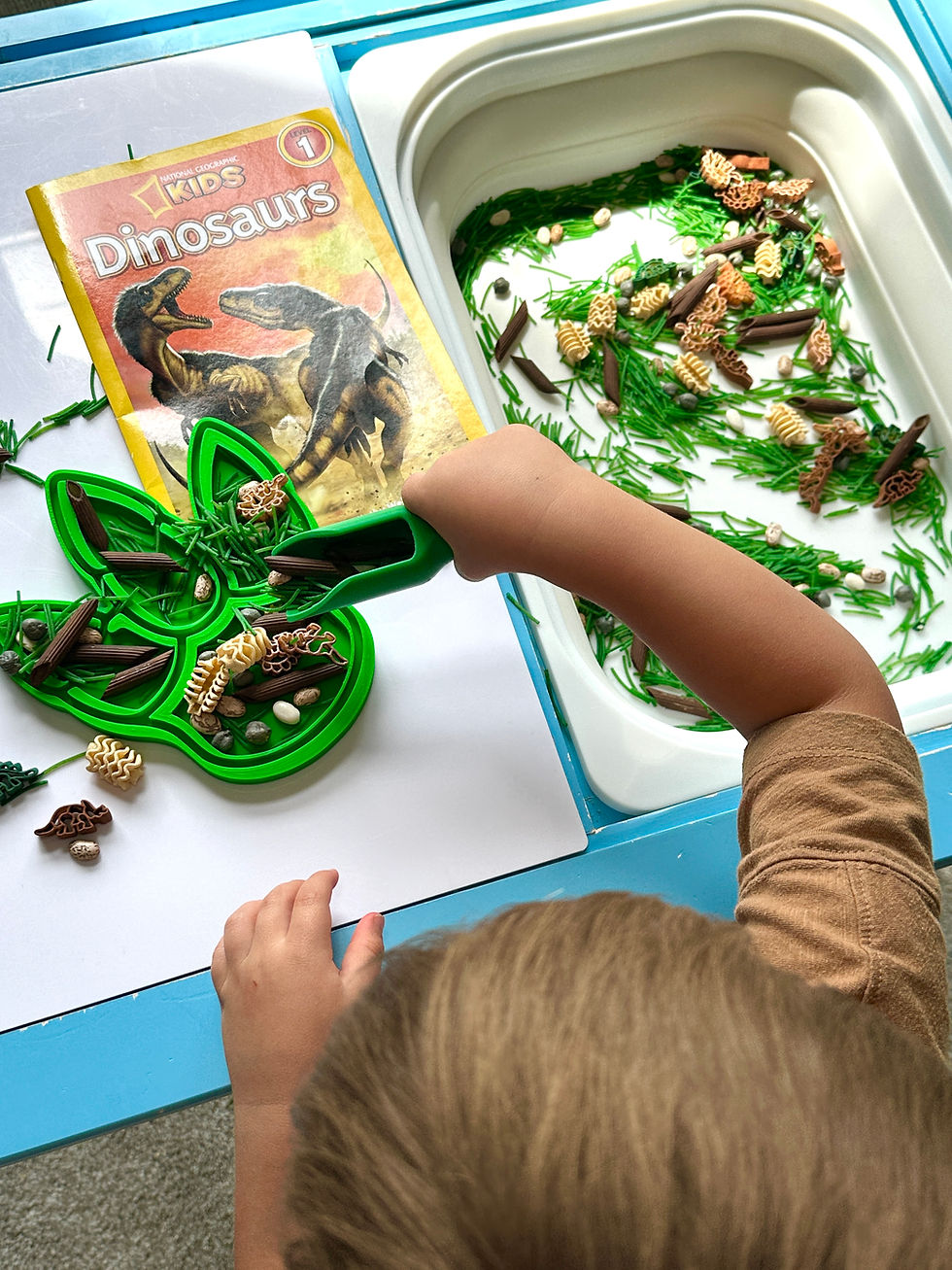
Texture Exploration: Create a sensory bin with materials like rice, dried pasta, or soft fabric scraps. Hide small toys inside for a treasure hunt.
Nature Walks: Collect leaves, flowers, and stones for children to touch and examine. Talk about the colors and textures.
Sound Bottles: Fill clear bottles with different materials such as beads, rice, or bells. Shake them to hear various sounds.
Finger Painting: Use edible, non-toxic paints to let toddlers create art with their hands, feeling the paint’s texture.
Play Dough: Soft dough encourages squeezing, rolling, and shaping, which builds hand strength and creativity.
Movement Games: Set up obstacle courses with cushions and tunnels to encourage crawling, climbing, and balancing.
Tips for Encouraging Sensory Play Safely
Safety is key when toddlers explore sensory materials. Keep these tips in mind:
Always supervise play, especially with small objects that could be choking hazards.
Use non-toxic, child-safe materials.
Avoid foods or substances that may cause allergies.
Keep play areas clean and dry to prevent slips or infections.
Rotate sensory materials regularly to maintain interest and hygiene.
The Role of Caregivers in Sensory Play
Caregivers play a vital role in making sensory play meaningful. They can:
Join in the play to model language and social skills.
Ask open-ended questions like “What does this feel like?” or “Can you find something soft?”
Observe the child’s preferences and adapt activities accordingly.
Provide a variety of sensory experiences to stimulate all senses.
Create a safe and inviting environment for exploration.
Sensory Play and Early Learning Milestones
Research shows that sensory play supports milestones such as:
Improved hand-eye coordination by 18 months
Increased vocabulary and communication skills by age 2
Better balance and motor control by age 3
Children who engage regularly in sensory play often show greater confidence and curiosity, which helps them succeed in preschool and beyond.
Overcoming Common Challenges
Some toddlers may be hesitant or sensitive to certain sensory experiences. To support them:
Introduce new textures or sounds gradually.
Respect the child’s comfort level and avoid forcing participation.
Use positive reinforcement to encourage exploration.
Consult a pediatrician or occupational therapist if sensory issues seem severe.
Final Thoughts on Sensory Play for Toddlers
Sensory play is a natural and essential part of early childhood development. For children aged 1 to 3, it builds the foundation for learning, communication, motor skills, and emotional health. By providing varied and safe sensory experiences, caregivers can help toddlers discover the world in a way that supports their growth and joy.
Comments